PULSE · LIEUX & MONUMENTS
Newbury
5 points of interest. Discover landmarks, meeting places and practical spots listed in Pulse.
PLAN YOUR TRIP
Explore Newbury beyond the event calendar
Landmarks, walks and practical information gathered to help plan your visit.
- Landmark
Aldern Bridge
Aldern Bridge is a hamlet in Hampshire, United Kingdom, within the civil parish of Burghclere, approximately 2.3 miles (3.7 km) south-east of Newbury.
⏖ Newbury
 Landmark
Black Boys Bridge
Véritable « porte d’entrée sud » du centre-ville, cet ouvrage d'art routier situé dans le Berkshire enjambe la ligne ferroviaire reliant Reading à Taunton. Établi à l'extrémité occidentale de la gare de Newbury, il constitue un point de passage incontournable pour les voyageurs et les habitants de la région. Son nom singulier, qui évoque l'histoire locale des transports britanniques, ajoute une touche de curiosité patrimoniale à ce carrefour quotidien du sud de l'Angleterre.
⏖ Newbury
 Landmark
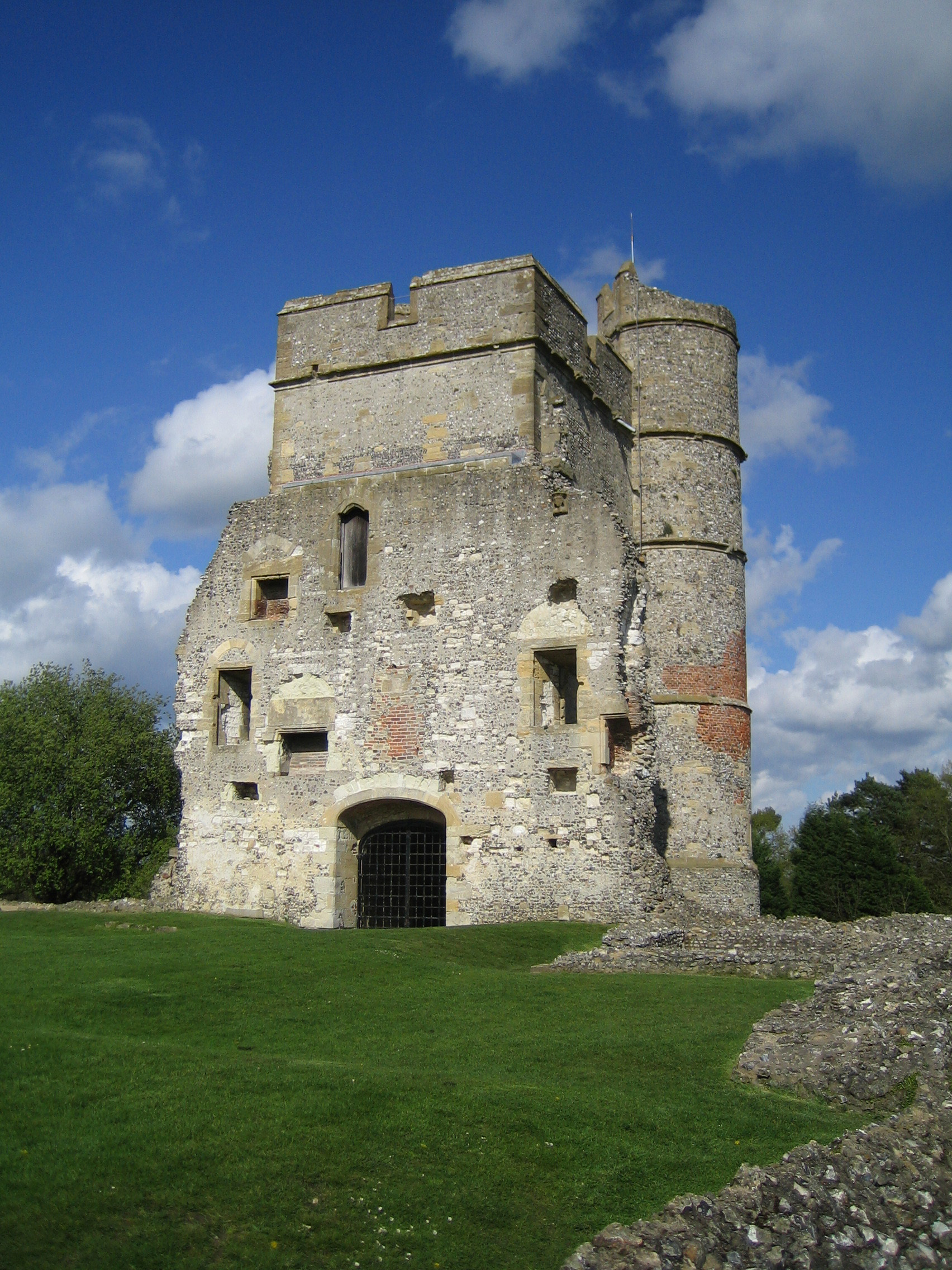
Donnington Castle
Le château de Donnington est un château médiéval en ruines, situé dans le village britannique de Donnington, à l’extrême nord de Newbury, dans le comté anglais du Berkshire. Il fait aujourd’hui partie des propriétés de l’English Heritage.
⏖ Newbury
 Landmark
St Nicolas Church, Newbury
Die der Church of England zugehörige St Nicolas Church in der südenglischen Stadt Newbury in der Grafschaft (county) Berkshire ist eine Pfarrkirche mit dem Patrozinium des hl. Nikolaus von Myra; sie ist als Grade-I-Bauwerk eingestuft und gehört zum Major Churches Network.
⏖ Newbury
 Landmark
West Berkshire Museum
The West Berkshire Museum, in Newbury, Berkshire, holds various artworks and collections related to Newbury and West Berkshire. Established in 1904, the museum is housed in two of Newbury's most historic buildings. The Cloth Hall was built in 1627 by Richard Emmes, a master carpenter of Speenhamland for the Newbury Corporation as a cloth factory. Originally part of a larger range of buildings with a courtyard in the centre, the building was subsequently used as a workhouse, hospital and school before being used for storing corn from 1829 until its conversion to a museum.
⏖ Newbury