PULSE · LIEUX & MONUMENTS
Rochdale
6 points of interest. Discover landmarks, meeting places and practical spots listed in Pulse.
PLAN YOUR TRIP
Explore Rochdale beyond the event calendar
Landmarks, walks and practical information gathered to help plan your visit.
- Landmark
Castleton Cricket Club Ground
Castleton Cricket Club Ground was a cricket ground in Rochdale, Lancashire, England. The first recorded match on the ground was in 1872, when Castleton played a team called An Eleven. In 1876, the ground held its only first-class match when Lancashire played Kent. The final recorded match on the ground came in 1891 when Castleton played Burnley.
⏖ Rochdale
 Landmark
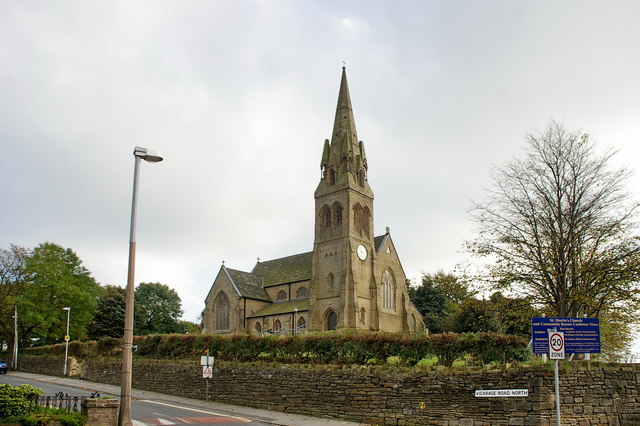
Castleton, Greater Manchester
Castleton is an area of Rochdale, Greater Manchester, England, 1.2 miles (1.9 km) south-southwest of Rochdale town centre and 8 miles (13 km) north-northeast of the city of Manchester. Historically a part of Lancashire, Castleton's early history is marked by its status as a township within the ancient parish of Rochdale. Prior to merging with the County Borough of Rochdale in 1900, Castleton experienced rapid growth during the 19th century as a mill town in its own right, facilitated for the most part by the construction of the Rochdale Canal which is routed through the area.
⏖ Rochdale
- Landmark
Harp Mill, Castleton
Harp Mill was a former cotton spinning mill in the Castleton, Rochdale, Greater Manchester, England. Queensway, Castleton was a hub of cotton mills including the three 't', Th'Arrow, Th'Harp, and Th'Ensor. The 1908 Castleton map includes: Marland Cotton Mill, Castleton Cotton Mill, Globe Works (Textile Machinery), Arrow Cotton Mill, Harp Cotton Mill, Globe Leather Works, Castleton Size Works and Castleton Iron Works.
⏖ Rochdale
- Landmark
Mars Mill, Castleton
Mars Mill was a former cotton spinning mill in Castleton, Rochdale, Greater Manchester, England. Castleton joined the Borough of Rochdale in 1899. Queensway, Castleton was a hub of cotton mills; Mars, Marland, and Castleton Mill were a group of three. It was taken over by the Lancashire Cotton Corporation in 1935 and passed to Courtaulds in 1964 and demolished in the 1990s; Marland survived until 2004.
⏖ Rochdale
- Landmark
Rochdale Castle
Rochdale Castle war eine Burg in Rochdale in der englischen Verwaltungseinheit Greater Manchester (früher: Grafschaft Lancashire). Die hölzerne Motte wurde in der Zeit unmittelbar nach der normannischen Eroberung Englands 1066 errichtet. Der Mound hatte an seiner Basis einen Durchmesser von 30 Metern; der Burghof lag südlich davon und war 36,5 Meter × 30,4 Meter groß. Die Verteidigungsanlagen bestanden aus einer Ringmauer und einem Burggraben.
⏖ Rochdale
 Landmark
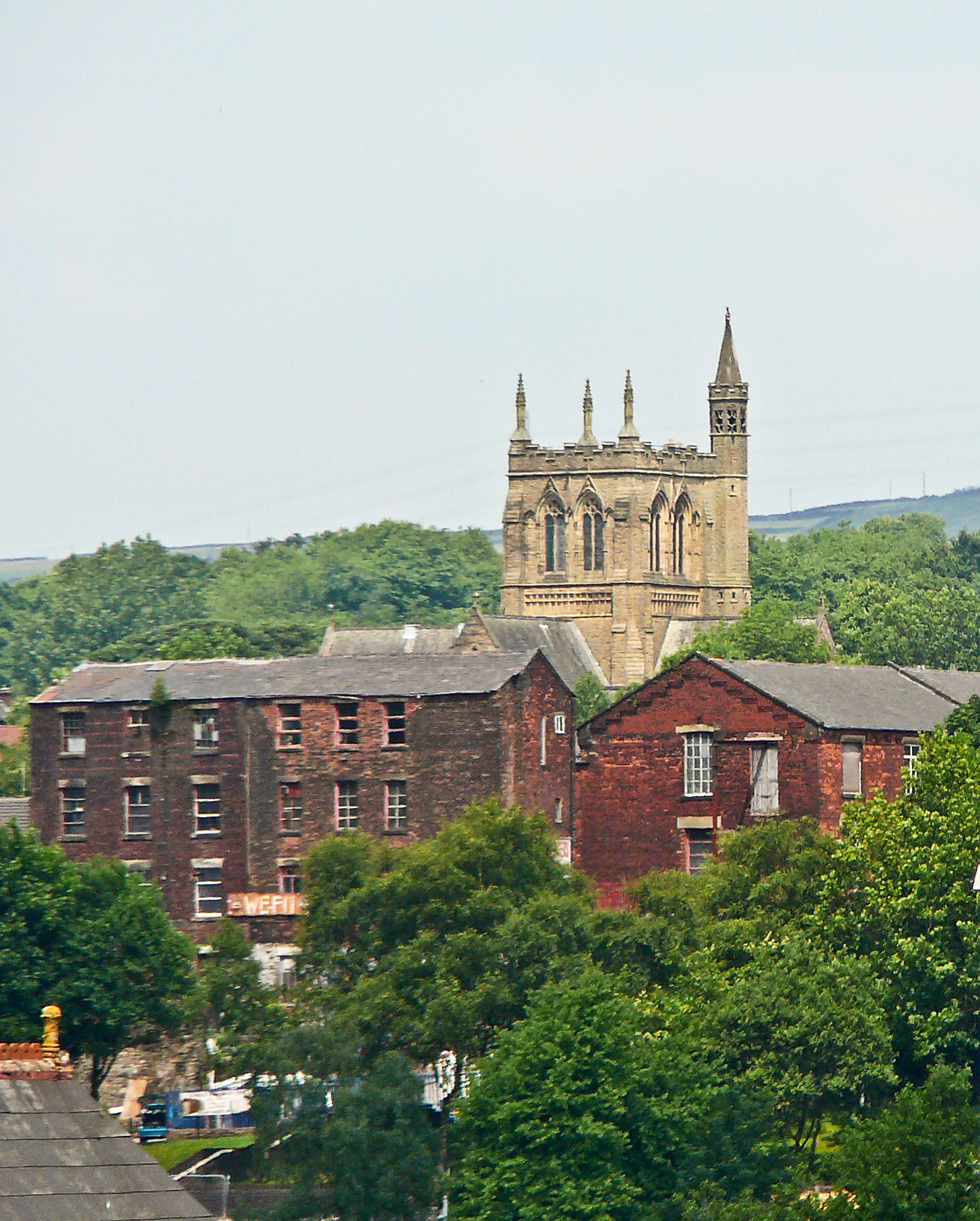
St Edmund's Church, Rochdale
Saint Edmund's Church (or the Church of Saint Edmund) is a redundant church building located on Clement Royds Street in the Falinge area of Rochdale, in Greater Manchester, England. Commissioned by Rochdale's local industrialist and Freemason Albert Royds, the construction of the building was completed to a high and rich specification in 1873, with an "enormous" cost of around £25,000 (£2.35 million in 2025).
⏖ Rochdale